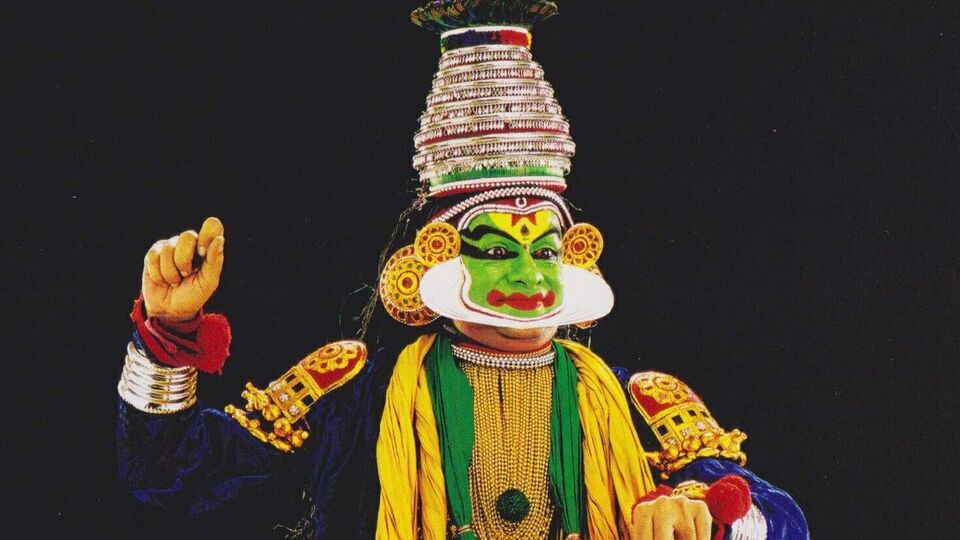
Qকোন ভারতীয় শাস্ত্রীয় নৃত্যে নৃত্যশিল্পীরা সবুজ, সাদা, লাল, কালো, হলুদ রঙ রূপ সজ্জার জন্য মুখে মাখেন?
Question Info
Choose the Best Option
Click any option to instantly check if you're correct.
Explanation
কথাকলি
-
Origins and Mastery: Kathakali, a classical dance form from Kerala, India, originated in the 17th century. Mastery of the dance can take years, with makeup application taking about four hours.
-
Significance of Colors: Each color in Kathakali makeup has a specific meaning: green symbolizes romance and love, red represents anger, black denotes the darkness of the mind, and white signifies purity and virtue.
-
Elaborate Costumes: Kathakali costumes are elaborate and can weigh up to 12 kilograms, adding to the complexity and visual impact of the performance.
-
Breaking Stereotypes: Traditionally male-dominated, Kathakali has seen women breaking stereotypes, with Gita Varma being a notable figure as part of the first all-women Kathakali troupe established in 1975.
-
Emotional Expression: The dance is renowned for its intricate use of eye movements and expressions to convey a wide range of emotions, reflecting the rich cultural tapestry of India.
Share This Question
Challenge a friend or share with your study group.